No-Pull Front-Clip Harness
Redirects gently to the side instead of rewarding forward pulling power.
Shop on Amazon →Common habits that quietly train a dog to pull harder — and what to do instead with calm, consistent handling.
By Sam Whitfield · Last updated July 2026
Most leash pulling isn't stubbornness — it's a pattern that gets accidentally reinforced, walk after walk. A few common habits make pulling worse without anyone meaning to.
Contains affiliate links. See our Affiliate Disclosure.
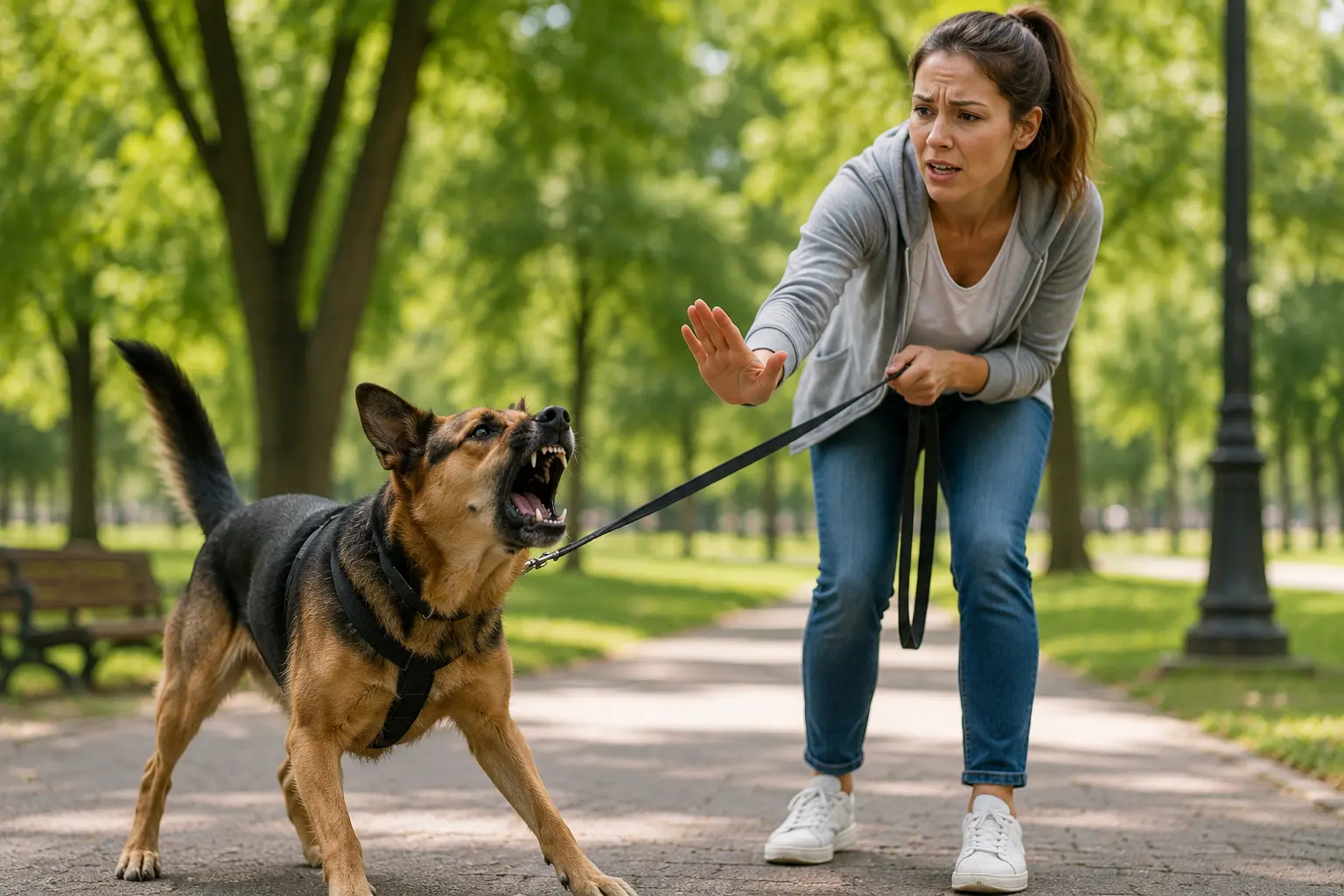
The instinct is to pull back the moment your dog surges forward. But dogs have an opposition reflex — pressure against their body makes them push back into it, not away from it. A tug-of-war on the leash often increases forward pulling rather than stopping it.
If the walk keeps moving forward while the leash is tight, your dog just learned that pulling works. Every step taken on a tight leash quietly rewards the exact behaviour you're trying to stop, even if it doesn't feel that way in the moment.
A new harness or head halter can make pulling more manageable, but gear alone doesn't teach your dog what to do instead. Without a consistent stop-and-reward pattern, most dogs go right back to pulling once they adjust to the new equipment.
A few starting points for calmer walks.
Redirects gently to the side instead of rewarding forward pulling power.
Shop on Amazon →Keeps you close enough to mark the instant the leash goes loose.
Shop on Amazon →Easy to break apart for fast rewards the moment the leash goes slack.
Shop on Amazon →Keeps rewards within reach so your timing stays quick and consistent.
Shop on Amazon →Dogs have an opposition reflex — pressure against their body naturally makes them push back into it. Pulling back on the leash usually increases forward pressure instead of reducing it.
Gear like a front-clip harness can reduce pulling power, but it does not teach your dog why pulling doesn't work. Pairing the right gear with a consistent stop-and-reward pattern gets longer-lasting results.
Many dogs show a noticeable change within one to two weeks of consistent short walks, though dogs with a long pulling habit may take longer to fully relax into a loose leash.
Retractable leashes make it hard to keep consistent tension and timing, which are both important while you're teaching loose-leash walking. A standard fixed-length leash makes the pattern easier to teach.
See the Stop-and-Go Method for a complete walkthrough of how to turn these fixes into a daily habit.
Pick one mistake above and fix it on today's walk. Small, consistent changes add up faster than a whole new routine.