Puzzle Feeder
Gives your dog something engaging to focus on during short practice absences.
Shop on Amazon →Recognizing true separation anxiety and building calm, gradual independence — without punishment or guilt.
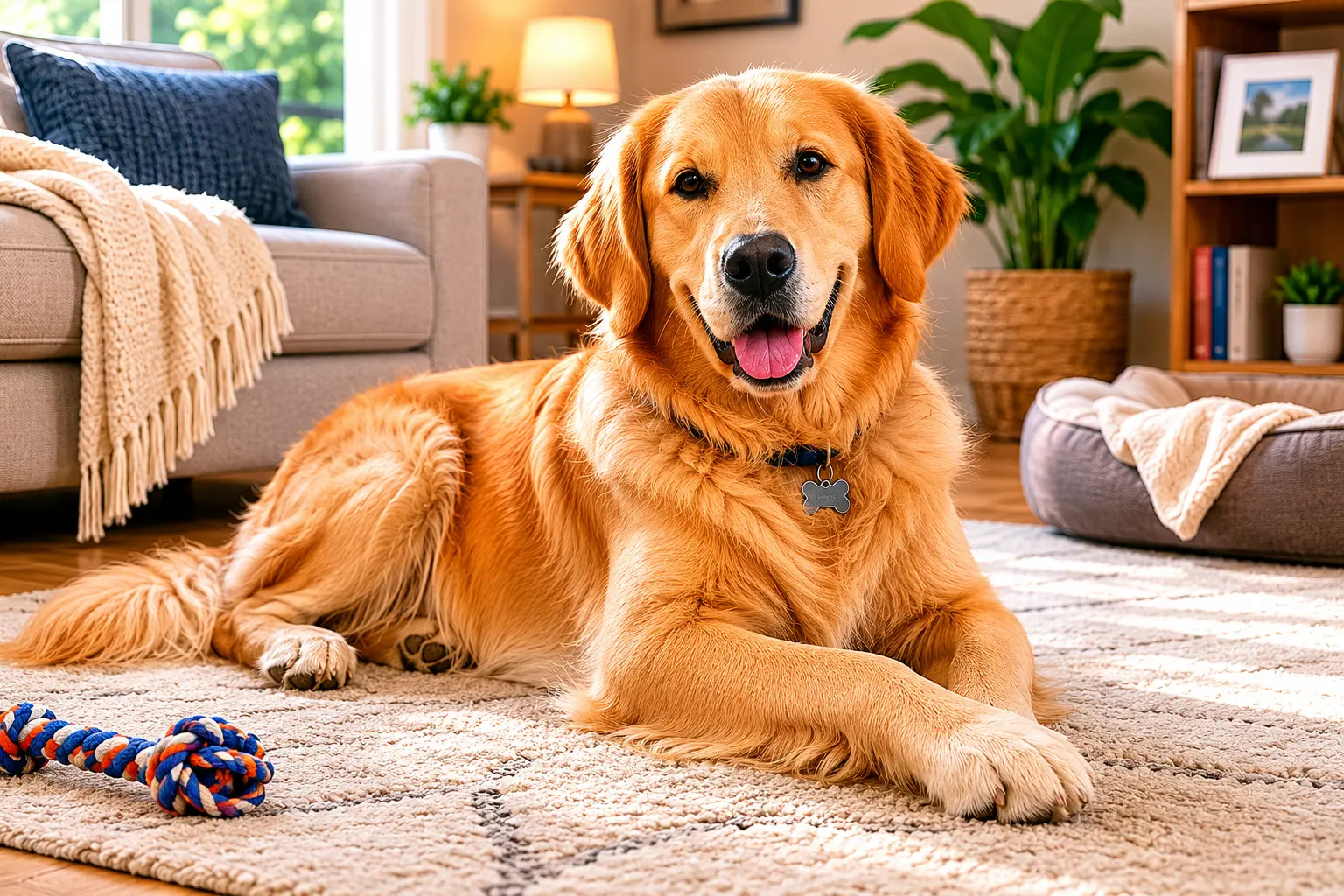
By Sam Whitfield · Last updated August 2026
Separation anxiety is one of the most misunderstood behaviour issues in dogs. It isn't disobedience, and it isn't your dog "being dramatic" — it's real distress, and it responds best to patience and a gradual plan rather than punishment.
Contains affiliate links. See our Affiliate Disclosure.
True separation anxiety centers specifically on being left alone. Common signs include destructive chewing focused around doors and windows, howling or barking that starts within minutes of you leaving, pacing, drooling, and potty accidents in a dog who is otherwise reliably house-trained. If the behaviour happens mainly around departures and eases once you're home, separation anxiety is a likely cause.
Dogs are social animals, and a strong attachment to one particular person is completely normal. Separation anxiety tends to show up or worsen after a change in routine, a move, a new work schedule, or in dogs with a history of rehoming or shelter stays. It isn't a training failure — it's an emotional response that needs to be addressed gradually, the same way you'd help with any other fear.
Dogs are quick to notice patterns. Picking up keys, putting on shoes, or grabbing a coat can become a cue that triggers anxiety before you've even left. Practising these cues separately from actually leaving — pick up your keys, then sit back down; put your shoes on, then stay home — helps break the association so the cues stop predicting distress.
Start with absences short enough that your dog stays calm — sometimes just stepping outside for thirty seconds. Return before anxiety builds, and slowly increase the time as your dog stays settled. Keep departures and arrivals low-key rather than a big emotional goodbye or greeting, which helps your dog learn that you leaving and coming back isn't a big event either way.
A few starting points for calmer time alone.
Gives your dog something engaging to focus on during short practice absences.
Shop on Amazon →A consistent, cozy spot can help your dog settle while you're away.
Shop on Amazon →Lets you check in on how your dog is actually doing during practice sessions.
Shop on Amazon →Softens outside noises that can trigger or prolong anxious barking.
Shop on Amazon →See how service-dog trainers build calm and security in dogs — including dogs with real separation anxiety — using body language, in a free workshop from the K9 Training Institute.
No. Boredom usually shows up as chewing on random items throughout the day. True separation anxiety centers specifically on departures and arrivals, with distress starting within minutes of being left alone.
Start well below your dog's current threshold, even if that means just a few minutes, and build up gradually. Pushing straight to a full workday before your dog is ready usually makes the anxiety worse.
Usually not on its own. Separation anxiety is typically about being away from a specific person, not about being alone in general, so another dog in the house doesn't reliably solve it.
Many dogs improve significantly with consistent, gradual desensitization, though timelines vary a lot by dog. Severe cases often benefit from working alongside a professional trainer or a vet behaviourist.
Try one round of thirty-second departures today, staying calm on the way out and the way back in. Small, low-key repetitions build real progress over time.